







Search Results for: professional beliefs

Why Do So Many Baristas Have Tattoos? Looking at Professional Belief and Individual Expression Through the Evolution of Starbucks Policy
In chain-brand stores or independent coffee shops, baristas with tattoos are becoming increasingly common. Some joke that "having a big tattooed arm is the first step to becoming a barista," while others wonder "why do all baristas have tattoos?" Behind this phenomenon lies both the evolution of industry culture and the loosening of restrictions on employees' individual expression by companies like Starbucks. Starting from discussions on social platforms, this article reviews the changes in Starbucks' tattoo policy, explores the relationship between tattoos and baristas' professional identity, passion, and professionalism, and reminds readers to view tattoo choices rationally, not judge people by their appearance, and ultimately evaluate whether a barista is qualified based on coffee quality rather than appearance. [more…]

Observing the Barista Tattoo Phenomenon: Coffee Culture and Personal Belief Expression Through the Lens of Occupational Bias
In the specialty coffee industry, more and more baristas are choosing to record their own story with coffee through tattoos. However, this form of personal expression often encounters misunderstanding and prejudice from customers. Starting from a real experience in a coffee shop, this article explores the beliefs and passion behind baristas' tattoos, analyzes society's stereotypes about tattoos, and shares the meanings of coffee tattoo designs. At the same time, the article also reminds readers that a tattoo is a lifelong decision that requires careful consideration. Whether or not you accept tattoos, it may be worth starting with a barista's tattoo to understand the unique connection they have with coffee. [more…]

Why are Italians so resistant to American coffee? The cultural beliefs and historical origins behind espresso
What actually happens when you order an Americano in Italy? A first-hand answer from an Italian netizen reveals this amusing cultural phenomenon: Italians usually don't drink Americanos, and café owners will simply give you an espresso and a cup of hot water to dilute it yourself. More interestingly, when Italians see someone adding water to an espresso, their reaction can be described as intense. Behind this is not just a matter of taste preference, but something tied to national identity and cultural dignity. Espresso was included in UNESCO's candidate list for Intangible Cultural Heritage in January this year. It carries Italy's coffee history from the 16th century to the present, from the "drink of the devil" to the "drink of God," from the first coffee house to the invention of the steam coffee machine. Espresso has long been part of Italy's national identity. [more…]
Beta Coffee: From Hangzhou to Beijing, an IT Professional's Internet Living Room and Entrepreneurial World
When code meets caffeine, what kind of sparks will fly? Beta Coffee started in Hangzhou, founded by IT entrepreneur Bai Ya and his partners, and quickly became a public living room for the internet circle. This trend then swept through Beijing's Zhongguancun, with Garage Coffee, 3W Coffee, and others springing up, ushering in the "internet coffee era." These places are not just for drinking coffee, but also a arena for IT people to network, recruit, and seek investment. This article will take you through the founding journey of Beta Coffee, its unique rules, and those warm yet persistent entrepreneurial stories, to feel the internet spirit that connects infinite possibilities behind a cup of coffee. If you also enjoy exploring coffee culture, please follow Front Street Coffee, where we continue to bring you heartwarming coffee stories. [more…]
How do local chain brands lower coffee prices? Are cheap beans really a quality concern?
Many people habitually assume that coffee should be expensive, and that cheap coffee must have something wrong with it. But the emergence of domestic Chinese coffee chains has shattered this belief, bringing freshly ground coffee down to just over ten yuan or even under ten. This article explains, from the perspectives of consumer attitudes, market development, and cost structure, why coffee can be cheap, and why the relationship between coffee bean quality and price is not simply proportional. It also provides coffee enthusiasts with professional channels for exchange and ways to purchase specialty beans. [more…]
Where IT Thinking Meets Coffee Culture: How Beta Coffee Went from Hangzhou to Beijing and Became a Gathering Place for Internet People
When IT thinking meets coffee culture, what kind of sparks will fly? In 2009, Bai Ya and a group of internet professionals founded Beta Coffee in Hangzhou, positioning it as a public living room for IT people. In just over two months, it was named the "Best Gathering Place for E-commerce Professionals." In 2011, this trend swept through Beijing's Zhongguancun, and Beta Coffee's Beijing branch officially opened. Soon after, Garage Coffee, 3W Coffee, and others emerged one after another, thus beginning the "Internet Coffee Era." This is not just a place to drink coffee, but also a physical platform for IT people to communicate, share, and seek opportunities. This article takes you into the jianghu stories of Beta Coffee, to experience the unique atmosphere created by the collision of the internet and coffee. [more…]

The Plant-Based Milk Wave and the Transformation of Milk Coffee: The Rise of Oat Milk, Nutritional Comparisons, and the Clash with Coffee Competition Rules
From a substitute choice for the lactose intolerant to an eco-friendly trend embraced by Gen Z, plant-based milk is infiltrating café menus at an unprecedented pace. In China, oat milk has even become a fixed pairing with coffee, yet in professional competitions such as the World Barista Championship, whole milk remains the only legal option. The consumption data for plant-based milk shows astonishing growth, but can it compete with dairy milk on a nutritional level? Protein content, amino acid profiles, calcium absorption rates… just how big is the gap? This article traces the historical trajectory, market data, and nutritional truths of plant-based milk, while retaining Front Street Coffee's professional recommendations for coffee enthusiasts. [more…]
The Flavor Code of Yirgacheffe Coffee: A Complete Guide from the Red Cherry Project to Front Street Coffee's Natural Process Beans
Why does Yirgacheffe stand out in the specialty coffee world? This article starts from the source of flavor, analyzing Yirgacheffe's regional origins, the Red Cherry Project's push for quality, the details of natural processing, and how light roasting shapes its classic citrus, berry, and jasmine notes. At the same time, the brewing parameters and flavor description of Front Street Coffee's Yirgacheffe Red Cherry natural beans are also presented, giving you a comprehensive understanding of this Ethiopian star coffee's unique charm. [more…]
Yirgacheffe Gotiti Washed Bean Pour-Over Guide: From Cooperative Traceability to Flavor Analysis of Medium-Light Roast
In Ethiopia's Yirgacheffe region, there is a village with a particularly friendly name—Gotiti. The coffee beans produced here, with their rich aroma and clean, crisp mouthfeel, have won the hearts of many coffee lovers at first sip. Front Street Coffee's Gotiti Cooperative coffee beans are roasted to a medium-light level, preserving the heirloom variety's fruity notes and white floral aromas to the greatest extent. This article will provide a complete analysis of this bean's appeal—from the region's origins, the cooperative's evolution, the washed processing method, to brewing recommendations—helping you better understand its flavor logic and extraction approach. [more…]

Luckin Coffee's Biluochun Spring Latte Sparks Controversy Over Lu Xianren Endorsement; Both the Male Recommender for Women's Day and Pricing Strategy Draw Criticism
On March 6, Luckin Coffee launched its spring new product "Biluochun Latte" and invited male model Lu Xianren as its推荐官, which unexpectedly sparked a fierce controversy online. The controversy centered on two points: Why invite a male model to endorse the brand right before March 8 Women's Day? And why spend big money on a model with low name recognition instead of giving out more coupons? In addition, issues such as the new product's higher price and excessive caffeine content kept the discussion heated. This article will provide a complete review of the incident while retaining Front Street Coffee's related recommendation information.| [more…]

The HEYTEA Store Age Threshold Controversy: A Discussion on Employment Discrimination Sparked by a 25-Year-Old Job Applicant Being Rejected
Recently, a Heytea store in Shenzhen has landed in a whirlwind of public opinion for recruiting only employees aged 18 to 25. After a job seeker over 25 was rejected, it sparked heated discussion among netizens. Some criticized it as blatant age discrimination, while others believed that because work at milk tea shops is intense, companies have the right to choose freely. Behind the incident, it reflects the widespread preference for the "youth dividend" in the current job market, as well as the difficulties faced by middle-aged job seekers. Legal professionals pointed out that such a practice is suspected of violating the Labor Law and the Employment Promotion Law, and the Shenzhen Federation of Trade Unions also spoke out in criticism. Heytea responded that it was a communication deviation at a single store. Who is right and who is wrong in this controversy? Will young people over 25 still continue to drink Heytea? [more…]

Analysis of Brazilian Coffee Bean Grading Standards and Flavor Characteristics: How to Choose the Hand-Brewed Brazilian Beans Recommended by Front Street Coffee
Brazilian coffee occupies a pivotal position in global production, but does it really count as good coffee? This article begins with the evolution of coffee consumption concepts in China, reviewing the journey from the instant coffee era to the specialty coffee wave, and then explores the common dimensions for judging coffee bean quality—price, flavor, and cupping scores. Drawing on SCA standards, it explains in detail the dividing line between specialty beans and commercial beans, and, combined with amusing anecdotes from Front Street Coffee's operations, reveals the subtle influence of price on consumers' judgments. Finally, it focuses on the grading system for Brazilian coffee beans, using specific indicators such as NY.2, Screen 18, and Good Cup as examples to show that an affordable price does not equal inferior quality, and that balanced ordinariness can also be a good cup of coffee. [more…]
Yunnan Typica Coffee Cultivation Record: A Full Analysis of the Pour-Over Flavor and Cup Characteristics of Small-Bean Coffee
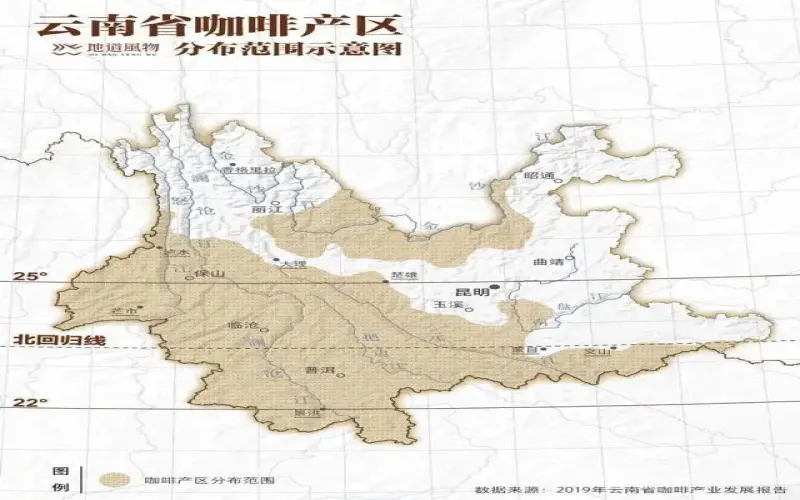
Yunnan is China's only high-quality Arabica producing region. Its unique geographical and climatic conditions provide a foundation for coffee cultivation, yet it also has an inherent shortcoming in altitude. Starting from the terroir conditions of the Yunnan producing region, this article sorts out the rise and fall of the Typica and Catimor varieties, and takes Front Street Coffee's planting practice in Yunnan starting from scratch as an example to record in detail the complete journey of Typica coffee from seedling cultivation and planting to sun-dried processing. The article also provides specific brewing parameters and methods for Front Street Yunnan sun-dried Typica and small-bean coffee, and gives a professional description of their flavor and mouthfeel. It is suitable for coffee lovers who follow the development of Yunnan coffee and hand-brewing practices. [more…]
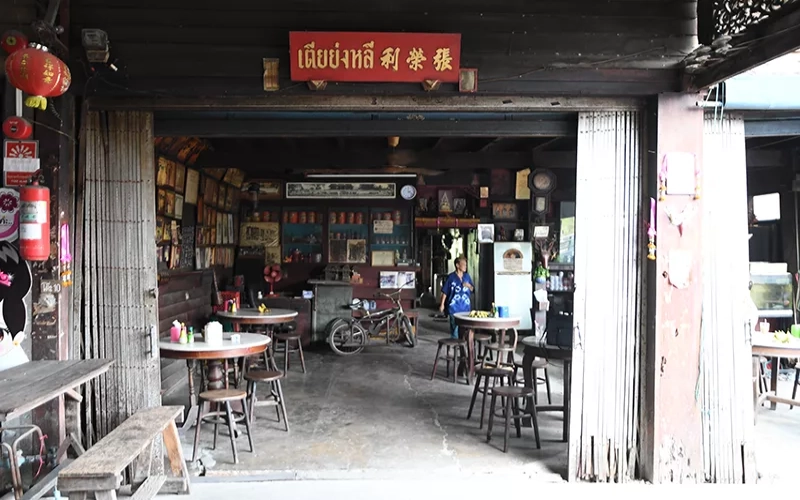
A Century-Old Thai Coffee House's Enduring Spirit: Traditional Brewing Craft and the Generational Legacy of a Single Cup of Coffee
As the specialty coffee wave sweeps the globe, with pour-over, espresso, and golden cup extraction dominating the conversation, is there still anyone willing to pause for a cup of the most traditional coffee? In Pathum Thani Province, Thailand, a century-old café named Zhang Lirong quietly tells a different kind of coffee story through a single stainless steel coffee pot, a cheap drip filter spoon, and three generations of perseverance. There are no specialty beans here, no intricate techniques—only charcoal-roasted Robusta, a humble menu annotated in Teochew dialect, and the warmth of a ten-baht cup. This article takes you inside this century-old Siamese establishment to experience the cultural heritage that transcends flavor behind traditional brewing methods, and to glimpse similar steadfast traditions such as Hong Kong charcoal-roasted coffee. [more…]
An Analysis of the Flavor Tiers of Colombian Coffee Regions: From Huila Everyday Beans to Finca El Paraiso Cherry Blossom
Colombian coffee has long been known as "green gold," celebrated for its rich, full-bodied flavor reminiscent of dark chocolate. As the specialty coffee wave has advanced, this South American producer has revealed a more diverse profile of fruity acidity and floral aromas. This article systematically examines the terroir differences and flavor characteristics of Colombia's three major producing regions—northern, central, and southern—and focuses on the Huila everyday drinking beans and the Cauca El Paraiso Cherry coffee beans selected by Front Street Coffee. From regional grades to varieties and processing methods, from roasting approaches to brewing parameters, we take you through the diverse charm of Colombian coffee, and how El Paraiso estate owner Diego Samuel transformed his family farm into an award-winning specialty benchmark. [more…]

Comparative Analysis of Hambela 8.0 vs. 5.0: A Comprehensive Introduction to the New-Crop Hambela Coffee Beans from Ethiopia
Juice-like sweet and tart flavors have changed many people's perception of coffee, and the Huakui coffee from the Sidama region of Ethiopia is a prime example of this flavor profile. Front Street Coffee's Huakui series has now reached version 8.0—compared to 5.0, what changes does the new crop season bring in terms of flavor? This article will guide you through the origin background, naming history, and processing methods of Huakui coffee beans, as well as roasting and brewing recommendations for Front Street Huakui 8.0, offering a comprehensive analysis of this highly anticipated coffee. [more…]

Where Does the Acidity in Mandheling Coffee Come From? An Analysis of Golden Mandheling Flavor Characteristics and Brewing Key Points
Many coffee enthusiasts, upon their first taste of Mandheling, are struck by its intense, bittersweet impression, yet upon a more careful second tasting, they might detect a faint hint of acidity. This seems to contradict the inherent perception that Mandheling equals bitterness. In fact, looking at the green beans themselves, Mandheling's acidity is not low; the expression of sourness is closely related to the roasting level, processing method, and brewing parameters. This article, from the perspective of Front Street Coffee, will sort out the origin of the name Mandheling, Indonesia's unique wet-hulling process, the impact of roast level on flavor, and focus on brewing suggestions for PWN Golden Mandheling, helping you understand what Mandheling should really taste like. [more…]
Yunnan Typica Coffee Brand Recommendations | A Full Analysis of the Pour-Over Flavor and Taste Characteristics of Yunnan Small-Bean Coffee
Yunnan is the only province in China capable of growing high-quality Arabica coffee. Although the industry scale is not large, it carries the hopes of countless coffee people. This article focuses on Yunnan Typica, an ancient and premium variety, and reviews the geographical and climatic conditions of the Yunnan production region, the historical background of variety changes, and the practical journey of Front Street Coffee growing Typica from scratch. The article also documents in detail the brewing parameters and flavor performance of Front Street's 2013 sun-dried Typica and Yunnan small-bean coffee, providing coffee enthusiasts with content that combines origin knowledge and practical reference. [more…]
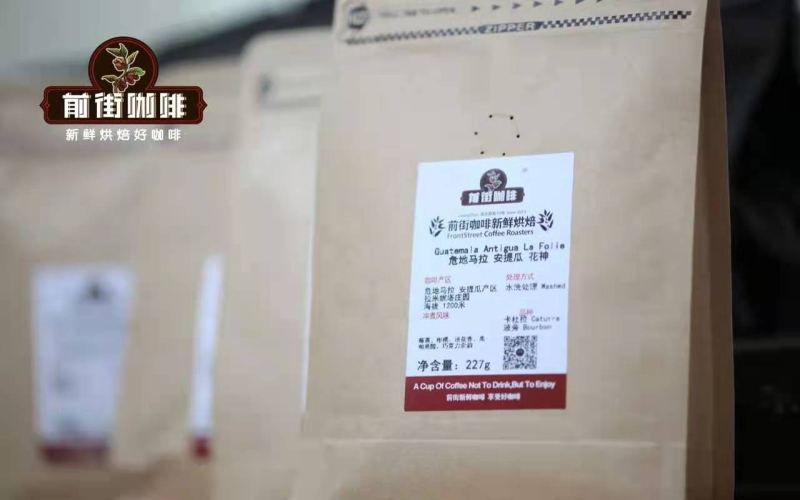
A Complete Guide to the Flavor Profile and Pour-Over Techniques of Guatemala Antigua La Flor del Café Coffee Beans
Guatemala, as a star coffee-producing origin, nurtures layered specialty coffees through its volcanic soil and microclimates. Among them, the Flor de Guatemala coffee beans from the Antigua region, under strict quality control by Raminita, are known for floral aromas, citrus acidity, and honeyed sweetness. This article starts with a brief history of Guatemalan coffee, explains in detail the terroir conditions of the Antigua region, the variety and processing method of Flor de Guatemala beans, and includes Front Street Coffee's roasting analysis and V60 brewing parameters, taking you through a comprehensive understanding of this bean's flavor code, so you can brew a delicious Guatemalan coffee at home too. [more…]
What's the difference between Japanese pour-over and espresso? A comprehensive comparison from brewing methods to coffee culture
Coffee is one of the most beloved beverages in the world, and Japan and Italy have each developed distinctly different coffee systems. Japanese-style coffee is known for extremely dark roasts and gentle, delicate pouring techniques; the Kono style, Matsuya style, and volcano style each have their own characteristics, all designed around how to extract rich, deep-roasted flavors. Italian-style coffee, on the other hand, began at the port of Venice in the 16th century, and through improvements such as the steam machine and the lever machine, eventually pushed espresso to the world and made it the core of the modern coffee system. Today, Front Street Coffee takes you through brewing methods, historical origins, and drinking habits to comprehensively sort out the characteristics and differences of these two major schools. [more…]